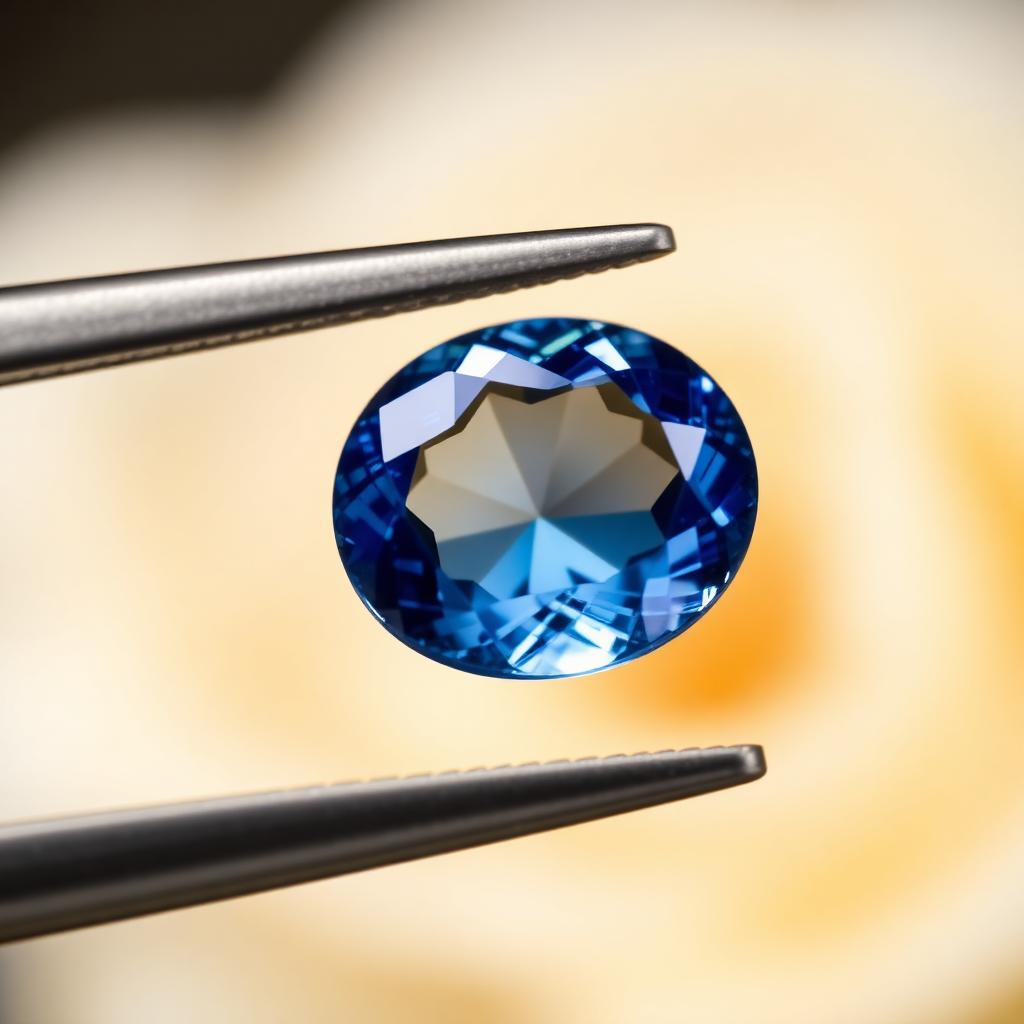
Identity
What the material is, whether it is natural, and whether further laboratory testing is appropriate.

Gemstone Sourcing
A beautiful gemstone is only part of the decision. We also consider identification, known treatment, documentation, durability, and whether its price is supported by what can be seen and verified.
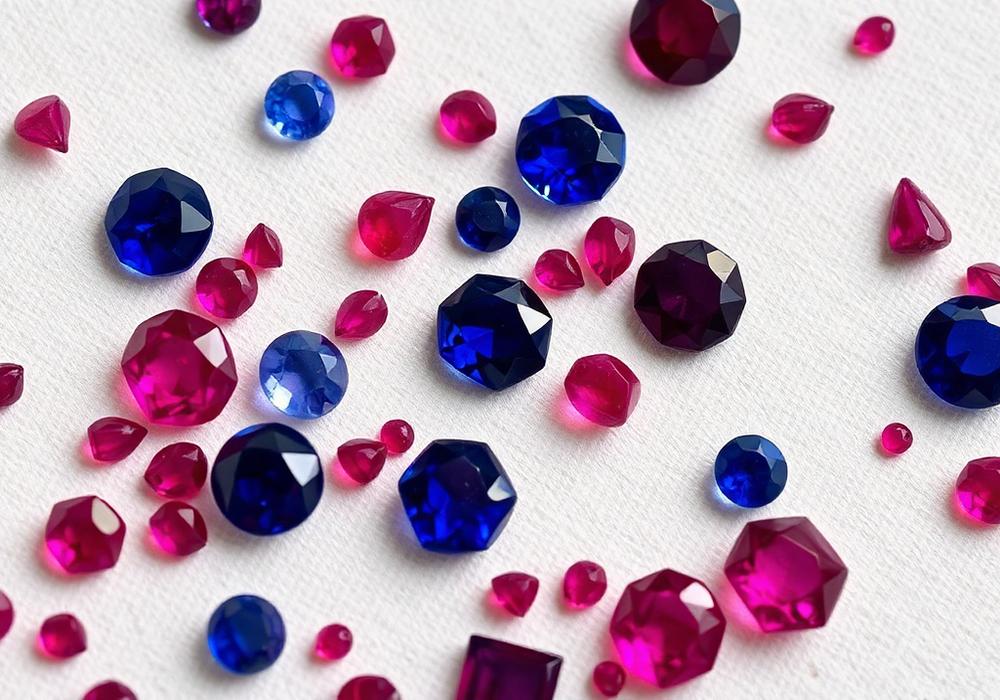
How We Assess
What the material is, whether it is natural, and whether further laboratory testing is appropriate.
Hue, tone, saturation, distribution, and how the stone changes under different light sources.
Proportions, symmetry, windowing, extinction, polish, and whether recutting would improve or diminish the gem.
The type, position, and visibility of inclusions—and what they mean for appearance and durability.
Any known heating, filling, diffusion, coating, or other enhancement that should be disclosed.
Hardness, toughness, setting risks, and whether the stone suits the client’s intended use.
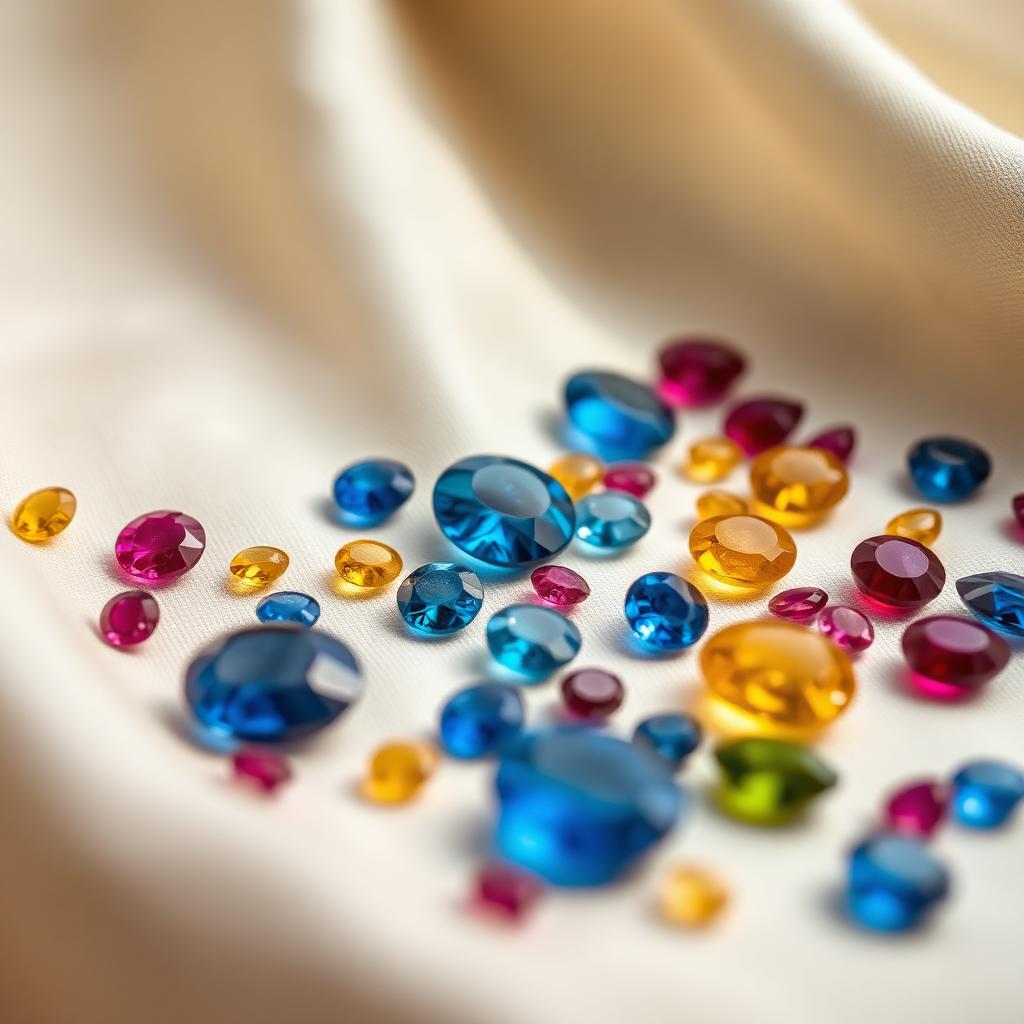
Treatment & Certification
A gem laboratory can provide an independent opinion on identity and, where possible, treatment and geographic origin. It does not decide whether a stone is attractive, well cut, suitably priced, or right for a particular piece.
We read documentation alongside the stone itself. Where a report is available, we match its identifying details before sale and explain what its conclusions do—and do not—mean.
Questions to Ask